
Early detection of roof leaks is essential to prevent extensive damage. We recommend checking for water stains, examining attic spaces for moisture, and inspecting flashing around chimneys regularly. Delaying repairs can escalate costs from $450 to over $12,000 while compromising your home’s structural integrity. Modern detection technologies like thermal imaging can pinpoint exact leak locations, even when they’re not visibly apparent. The following insights will help safeguard your investment for years to come.
Key Takeaways
- Regular attic inspections for water stains, dark spots on wood, and visible light penetration through roof structure reveal leaks early.
- Water stains on ceilings and walls, typically brown or yellowish, indicate active roof leaks requiring immediate attention.
- Minor roof repairs costing $300-$450 can escalate to $12,000+ when neglected, with costs increasing up to 50%.
- Thermal imaging and electronic detection systems precisely identify hidden moisture and pinhole breaches before visible damage occurs.
- Implement systematic gutter cleaning and address compromised shingles immediately to prevent water infiltration and extensive damage.
Common Signs of Roof Leaks to Watch For
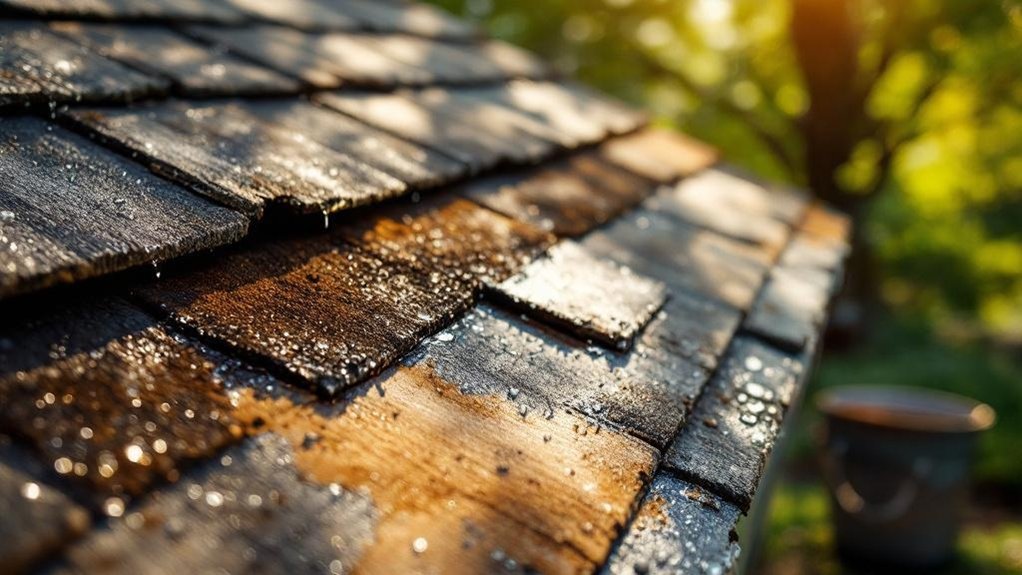
How often do you inspect your home for potential roof leaks? At CRF Roofing & Restoration, we recommend regular inspections to catch problems early. Water stains appearing as brown or yellowish spots on ceilings and walls are primary indicators of moisture accumulation from above. Don’t overlook small stains—they’re early warning signs that require attention.
For thorough leak detection, examine attic spaces for dark spots on wood or insulation, condensation on nails, or visible light penetration through the roof structure. These “shiners” reveal gaps where water enters. Also inspect flashing around chimneys and skylights for cracked sealant or damaged materials. Damaged or missing flashing can lead to significant water infiltration problems if not addressed promptly.
Physical roof damage—including missing shingles, accumulated debris in valleys, and tree branch scraping—compromises your home’s protective barrier and demands immediate professional assessment. Early detection of minor damage can prevent major structural problems, which is crucial for maintaining your home’s integrity.
The True Cost of Delayed Roof Repairs
When homeowners postpone necessary roof repairs, they’re often unaware of the significant financial consequences that accumulate over time. What begins as a $300-$450 minor repair can quickly escalate to $12,000+ in structural restoration when neglected. We’ve observed repair costs increasing by up to 50% when maintenance is delayed beyond recommended timelines. Additionally, CRF Roofing & Restoration offers comprehensive fire and water damage restoration services, highlighting the importance of timely repairs to prevent further complications.
The financial implications extend beyond the roof itself. Water infiltration damages insulation, walls, and ceilings while compromising your home’s energy efficiency—resulting in higher utility bills. Additionally, material costs have risen 29% since 2020 and are projected to increase 5-7% annually through 2030.
At CRF Roofing & Restoration, we recognize these challenges. By addressing issues promptly, we help our community avoid these cascading expenses and protect their most valuable investment. Insurance claims for roof damage may be denied if there’s evidence of homeowner negligence in maintaining the roof properly, adding further financial burden.
Modern Technologies Revolutionizing Leak Detection

Beyond the financial impact of delayed repairs lies a technological revolution that’s transforming how we identify and address roof leaks. At CRF Roofing & Restoration, we’re leveraging cutting-edge thermal imaging that detects temperature variations caused by hidden moisture without invasive procedures. Our commitment to customer satisfaction ensures that we provide the best solutions for your roofing needs.
Our electronic leak detection systems employ both low and high voltage methods to identify even pinhole breaches invisible to the naked eye. These technologies—including EFVM and Integriscan—allow us to pinpoint exact leak locations by passing current through roofing materials. This precision is possible because current flow through roofing materials clearly indicates where breaches exist.
For commercial applications, we offer automated continuous monitoring with electronic-conductive primers that alert maintenance staff immediately when issues arise. By combining traditional visual assessments with electromagnetic field detection and advanced water-based testing, we’re ensuring thorough, precise leak detection that saves you time and prevents costly structural damage.
Flat Roof Vulnerabilities and Special Considerations
Flat roofs present unique vulnerabilities that require specialized attention and repair strategies unlike their pitched counterparts. We often encounter issues like ponding water, which accelerates material deterioration and creates perfect conditions for algae growth. This standing water can lead to structural sagging and eventually roof collapse if left unaddressed.
Among the most common flat roof vulnerabilities are membrane breakdowns from UV exposure, temperature fluctuations that form blisters, and drainage system inadequacies. Special considerations include proper slope calculation during installation and regular inspection of flashing and edge details—critical vulnerability points for water infiltration. Constant exposure to UV rays can cause drying and cracking of roofing materials, significantly reducing their lifespan, which is why energy-efficient roofing options should be considered to mitigate these effects.
At CRF Roofing, we recognize these challenges require specialized knowledge. Poor ventilation, clogged gutters, and maintenance-related punctures all contribute to the complex repair requirements that distinguish flat roof systems.
DIY Inspection Methods for Homeowners
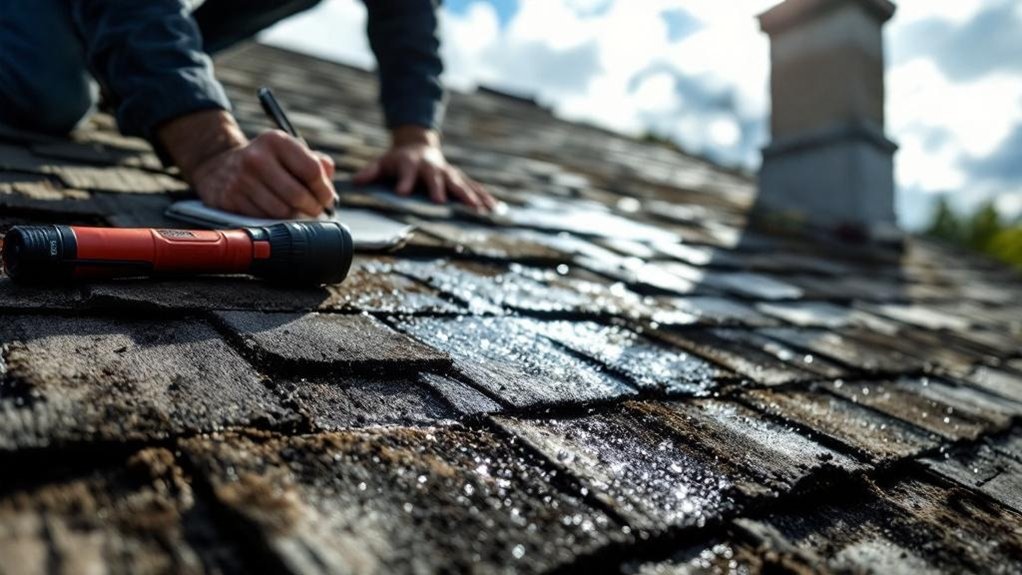
At CRF Roofing and Restoration, we recommend homeowners regularly check for visual warning signs such as water stains on ceilings, missing shingles, or damaged flashing around roof penetrations. We’ve found that conducting thorough attic moisture checks with a flashlight can reveal telltale signs of leaks, including damp insulation, water stains on rafters, or mold growth in confined spaces. Additionally, homeowners should be aware of the importance of emergency roofing services to address any significant damage promptly. Accurately measuring the leak from two exterior walls can help pinpoint the exact location when you’re on the roof for repairs. These simple inspection methods can help identify potential roof problems before they escalate into costly repairs, allowing you to contact professional assistance at the ideal time.
Visual Warning Signs
Many homeowners can identify early signs of roof leaks before they become major problems. During visual inspection, look for yellowish-brown stains on ceilings that often form ring patterns, particularly noticeable after storms. These discolorations are reliable indicators for moisture detection in your home’s structure.
Watch for paint peeling or wallpaper bubbling, which signals water accumulation beneath surfaces. Exterior signs include missing, buckling, or curling shingles creating vulnerable entry points for water.
Examine roof flashings around chimneys and vents for rust, bending, or separation. Don’t overlook your gutters—shingle granules collecting there indicate material breakdown. Black, sandy deposits in downspouts or driveways are warning signs of widespread deterioration. Early intervention is crucial as it prevents further damage to your home’s interior and structural components.
We recommend inspecting these areas regularly, especially following severe weather events, to catch problems early.
Attic Moisture Checks
Detecting moisture issues early in your attic can prevent costly repairs and protect your home’s structural integrity. At CRF, we recommend conducting a thorough inspection using a combination of sensory and technical methods.
Start with a simple touch test of surfaces and insulation, noting any dampness or unusual coldness. Use pinless moisture meters for non-invasive readings of structural materials, and employ infrared cameras to identify temperature differences indicating water intrusion. Pay special attention to HVAC ductwork where condensation commonly forms.
Look for telltale signs like dark stains on roof boards, drip marks on insulation, or frost on roofing nails. Proper attic ventilation is essential for preventing moisture accumulation. Installing a TempCube sensor can provide real-time temperature and humidity data with smartphone alerts. Consider installing wireless monitoring systems with smartphone alerts to track humidity levels continuously, especially during seasonal changes.
Professional Assessment: What to Expect
When you schedule a professional roof assessment with CRF Roofing and Restoration, our certified contractors will conduct a thorough evaluation of your roof’s condition. We examine every component, including the deck, membrane, flashing, and drainage systems.
Our roof evaluation begins with understanding your concerns before inspecting both interior and exterior areas. Inside, we’ll check your attic and ceilings for water stains and use moisture meters to document damage assessment findings. Outside, we employ advanced detection techniques including thermal imaging to pinpoint exact entry points. This proactive approach helps to ensure compliance with building codes and enhances the longevity of your roof.
For persistent leaks, we’ll perform systematic water testing, working from the lowest points upward while maintaining communication between our roof technicians and interior observers. After completion, we’ll provide detailed documentation with photographs and specific recommendations to address any identified issues. This comprehensive inspection report helps with early identification of minor issues before they develop into major problems requiring costly repairs.
Preventative Maintenance Strategies
We’ve found that implementing regular roof inspection routines, particularly after severe weather events, greatly reduces long-term leak risks. Maintaining waterproofing barriers around vulnerable areas such as flashing, penetrations, and seams requires immediate attention to damaged or deteriorating sealants. Addressing compromised shingles immediately prevents water from infiltrating your roofing structure and causing extensive damage. Our thorough approach includes systematic drainage system cleaning, ensuring gutters and downspouts remain free of debris that could otherwise lead to water backup and roof membrane deterioration. Additionally, investing in high-quality materials during roof installations can enhance the overall durability and performance of your roofing system.
Regular Inspection Routines
Four essential inspection routines form the foundation of effective roof maintenance strategy. At CRF Roofing, we recommend quarterly visual inspections to identify vulnerable areas before problems escalate. Maintaining proper inspection frequency allows us to catch missing shingles, damaged flashing, and obstructed drainage paths early.
Our thorough approach includes using moisture meters, infrared thermography, and drone technology to detect issues invisible to the naked eye. We focus on critical failure points—membrane lap failures, compromised seals around vents, and deteriorated sealant at roof penetrations. When necessary, we conduct water testing to pinpoint exact leak locations by simulating rainfall conditions.
Proper inspection documentation creates a visual maintenance record that tracks deterioration patterns over time. Remember, 95% of homeowner insurance claims involve water damage—making these routine inspections not just recommended, but essential for protecting your investment and preventing costly repairs.
Waterproofing Barrier Maintenance
Maintaining your roof’s waterproofing barrier serves as the cornerstone of effective preventative maintenance. At CRF Roofing, we recommend reapplying protective coatings every few years to preserve the integrity of your waterproofing solutions, especially on surfaces exposed to extreme weather.
We focus on timely crack and joint sealing to prevent water infiltration, using compatible materials that guarantee long-lasting repairs. Regular flashing system maintenance around chimneys and skylights is critical—we inspect these vulnerable areas after severe weather events. Proper drainage system maintenance ensures water efficiently flows away from your roof, preventing potentially damaging accumulation.
Seasonal preparation is equally important; we help clients prepare for heavy rainfall periods and protect against UV damage with specialized coatings. We also emphasize debris removal to prevent moisture retention and water pooling that can compromise your roof’s waterproof membrane. Our systematic approach extends your roof’s lifespan and prevents costly leaks.
Drainage System Cleaning
Proper drainage system cleaning forms the backbone of roof integrity protection, working alongside your waterproofing barriers to create thorough defense against water damage. At CRF Roofing & Restoration, we implement biannual cleaning schedules—spring and fall—with additional inspections after severe weather events.
Our drainage system cleaning techniques include systematic debris removal from roof surfaces, gutters, and downspouts. We manually clear large debris, use specialized tools for gutter scooping, and perform high-pressure water flushing to guarantee unobstructed flow. This approach helps prevent standing water that could add significant weight to your roof and potentially cause structural problems. Complete cleaning involves verifying strainers remain visible and securely fastened.
We also conduct thorough drainage testing to detect blockages and confirm water flows freely through the entire system. This preventative approach identifies potential issues before they compromise your roof’s integrity or lead to costly water damage.
Weather-Related Factors That Accelerate Roof Damage
Weather conditions represent the most notable threat to your roof’s integrity, with several environmental factors working in tandem to accelerate deterioration. Recent weather pattern shifts have intensified these risks, with freeze-thaw cycles forcing water into small cracks that expand upon refreezing, creating structural damage. CRF Roofing and Restoration is committed to using high-quality materials that can withstand these adverse conditions.
Climate change impacts manifest through extreme temperature fluctuations causing thermal expansion and contraction in roofing materials. When combined with UV radiation degradation of weatherproofing components, your roof becomes increasingly vulnerable. Most concerning are ice dams forming when warm attic air melts snow that refreezes at roof edges, forcing water backup under shingles.
We’re seeing more frequent hailstorms and winds exceeding 50 mph that can lift shingles, while persistent rainfall and humidity accelerate material breakdown. The alarming 2,000 severe weather reports in just one month highlight why proactive maintenance is essential for homeowners. Without proper maintenance, these compounding factors notably reduce your roof’s expected lifespan.
Long-Term Benefits of Early Detection Systems
While weather-related factors pose serious threats to your roof, implementing early detection systems offers significant long-term advantages that extend far beyond simple leak prevention. At CRF Roofing & Restoration, we’ve seen how these systems provide substantial cost savings by identifying issues before they escalate into major repairs. Early detection technology can help avoid complete re-roofing projects and reduce water damage claims, which account for nearly 30% of household insurance claims annually. Advanced electronic leak detection systems can identify water penetration by creating an electric field across the membrane that detects when a circuit is completed. Additionally, having a detailed estimate ensures that any necessary repairs are clearly outlined and that potential costs are managed effectively.
Beyond immediate cost savings, these systems protect your property value by preserving structural integrity and preventing damage to walls, fixtures, and personal belongings. The integration of smart monitoring capabilities enables our maintenance teams to target specific problem areas with precision rather than relying on guesswork, creating more resilient structures that maintain their value and functionality for years to come.
Frequently Asked Questions
How Do Insurance Claims Work for Roof Leak Damage?
We help you navigate the insurance process by documenting roof leak damage with photos and measurements, contacting your insurer promptly, and supporting you through adjuster inspections and settlement negotiations.
Can Flat Roof Materials Be Recycled After Replacement?
Yes, we recycle most flat roof materials including EPDM, TPO, PVC, and modified bitumen through specialized processing centers, supporting material sustainability while reducing landfill waste in our community’s construction ecosystem.
What Credentials Should I Look for in a Roof Inspector?
We recommend seeking roof inspectors with NRCA, InterNACHI, or NRCIA certifications. Essential inspection certifications guarantee technical competence, while experience with your specific roofing material provides the thorough assessment you’re looking for.
How Often Should Electronic Leak Detection Systems Be Recalibrated?
We recommend electronic leak detection systems undergo calibration every 6-12 months, with more frequent adjustments (3-6 months) for high-usage equipment. Your specific needs may vary based on environmental conditions and manufacturer guidelines.
Do Smart Roof Sensors Work During Power Outages?
Yes, our smart sensors continue functioning during power outages thanks to built-in lithium-ion batteries, typically lasting 24-48 hours. Solar-powered options provide extended protection for your home’s most valuable asset.
Conclusion
We’ve demonstrated how early detection systems substantially reduce roof leak repair costs and prevent structural compromise. By implementing regular inspections, utilizing advanced detection technologies, and addressing weather-related vulnerabilities promptly, you’ll extend your roof’s service life while protecting your investment. Don’t wait for visible water damage—our preventative approach identifies potential failure points before catastrophic damage occurs. Partner with CRF Roofing to safeguard your home’s integrity through proactive maintenance.